
Why is it still so darned difficult to measure impact simply and effectively?
A few years ago, I was asked to pull together stats to show the impact that the business I worked for had made over the past year. It sounded straightforward. What came back were numbers: revenue generated, time saved, projects delivered and efficiencies gained.
The data was definitely useful – but everything that came back were outputs rather than outcomes. There was no data on what had changed in people’s lives, within communities or for the environment beyond the business itself. Did emissions fall? Did people move into jobs? Did health improve or access to opportunity widen?
Timing is an issue
A clear timing issue was that, because impact hadn’t been defined or tracked at the start, there was no clear way to evidence it later.
For many growing businesses, the challenge is simple. Impact usually isn’t the product itself, so measurement gets added later, often when investors and partners begin asking tougher questions. By then, the cost of proving outcomes properly can feel overwhelming.
This is no isolated challenge. Listening to founders, charity leaders or corporate change teams, you often hear the same thing – impact measurement is complicated, expensive and sometimes not even that helpful.
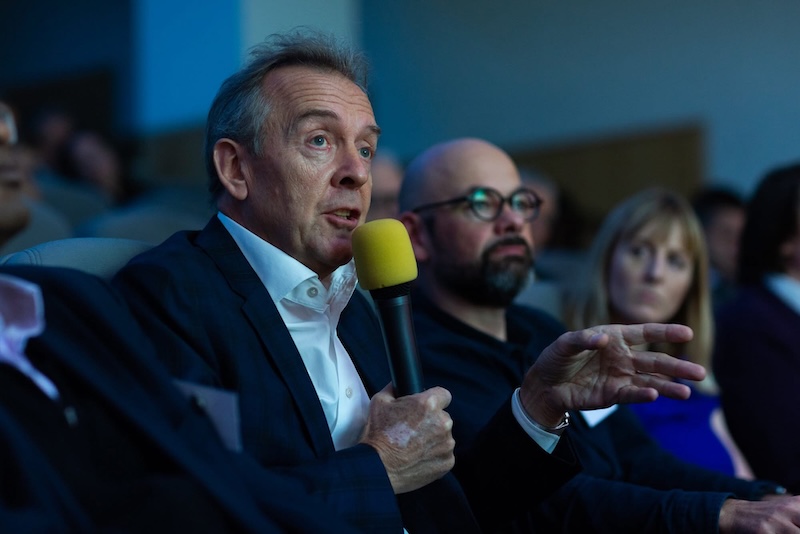
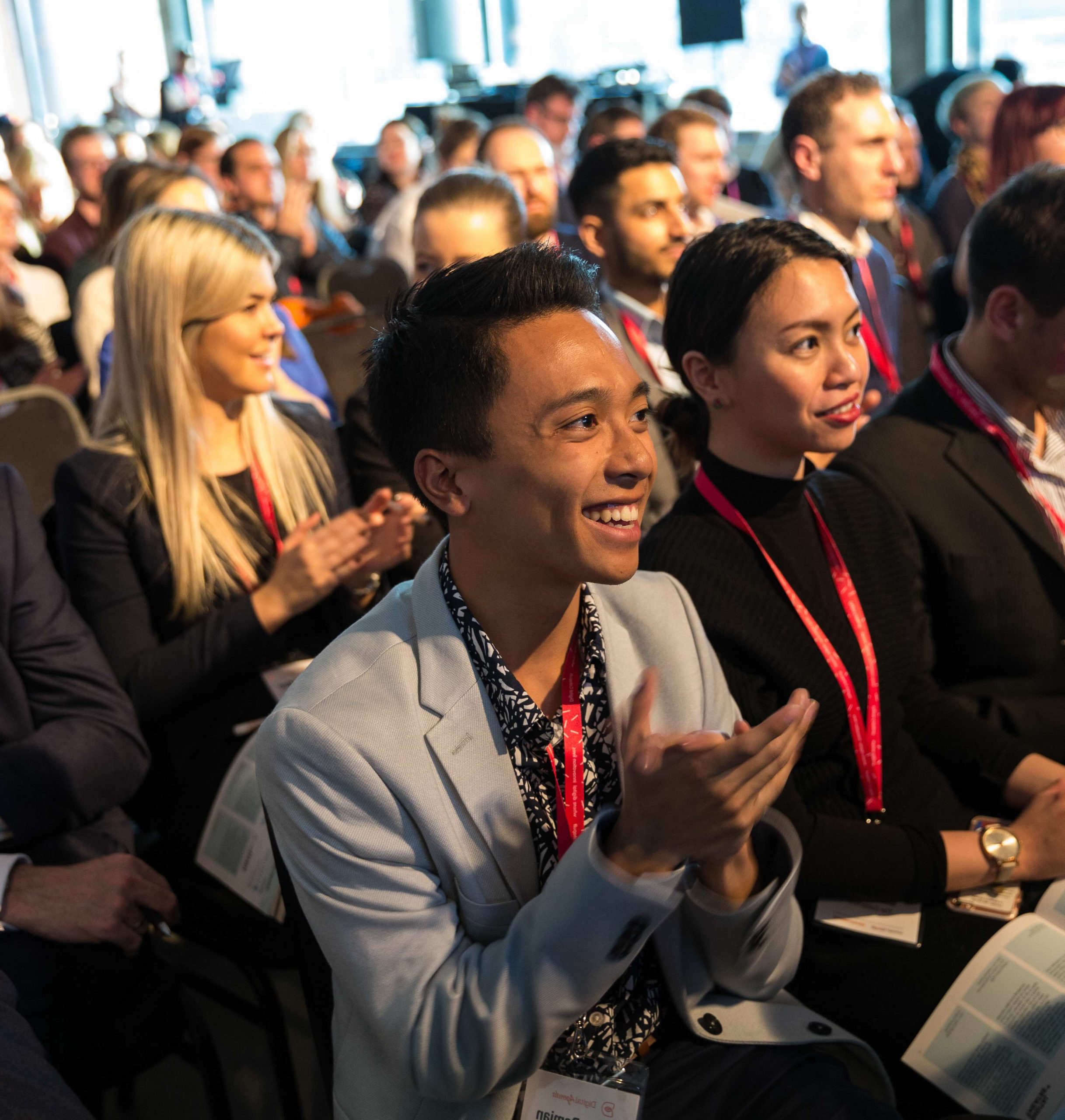
The issue came back into focus at last month’s Sustainability in Tech Summit in London, where leaders were openly discussing how hard it still is to measure social and environmental impact in a way that feels credible.
Measurement industry
An entire industry has grown around impact measurement and reporting. Companies report against Global Reporting Initiative or International Sustainability Standards Board standards, as well as FSB Task Force on Climate-related Financial Disclosures. Many also set targets through the Science Based Targets initiative.
Businesses wanting to prove their purpose also pursue B Corp or the Better Business Network’s Better Business Standard accreditation. There are now nearly 3000 B Corps in the UK alone.
There are many more – and all schemes and accreditations take up time and resources to join.
It is easy to count trees planted, carbon reported or people joining a programme. It’s harder to show what actually changed over time.
Data itself is often patchy. Some changes, like improved wellbeing, reduced reoffending, stronger local economies or restored ecosystems take time to track and don’t fit neatly into spreadsheets.
We also expect impact measurement to do too many jobs at once. It’s meant to prove accountability, help teams learn, reassure investors and funders, manage risk and support marketing. A single framework simply can’t do all of that perfectly.
And working out what you can claim credit for yourself is as challenging. Impact is shaped not just by you but by your partners, suppliers, policy and economics. It can also unfold over years, while most organisations report quarterly.
No definition of impact
A fundamental is that there is no agreed common definition of what ‘impact’ even means. Is it about depth or scale, short term or long term, community-level or wider change.
Artificial intelligence is helping, by analysing large datasets, spotting patterns and speeding up reporting.
Organisations like Sylvera andNatureMetrics and also the UN Global Pulse show how AI can strengthen environmental and humanitarian data, while platforms likeClarity AI and Impact by Reason Digital have improved how impact and sustainability information is gathered and interpreted.
AI can’t of course answer the deeper questions on its own. If organisations are unclear about the change they’re seeking, technology won’t fix that.
The opportunity has to lie in simpler ways to measure and explain positive change for people and the planet without burying teams in paperwork. Acting on what feels right and backing partners you trust, as well as things like support for charities doing good work in communities, is often where leaders find it easiest to start.
Success stories are without doubt valuable too – they can inspire and educate. But storytelling is so much more powerful when it’s backed by demonstrable difference.
Good is good business
A desire to demonstrate impact is of course key. Lots of pure-profit businesses do see it as their responsibility, while many others still don’t engage in the impact agenda.
Smart employers recognise that being good is also good business – not least because employees increasingly demand that their employer has purpose beyond their bottom line. Younger people in particular demand positive impact from their employers. Deloitte’s Gen Z and Millennial Survey says most young UK workers reject employers that don’t align with their values.
At Impact Unlimited we want to help organisations to evidence their impact clearly and credibly as they grow. There are tools out there for sure – but don’t we need a more simple measurement model that makes it easier for organisations to demonstrate their impact in practice?